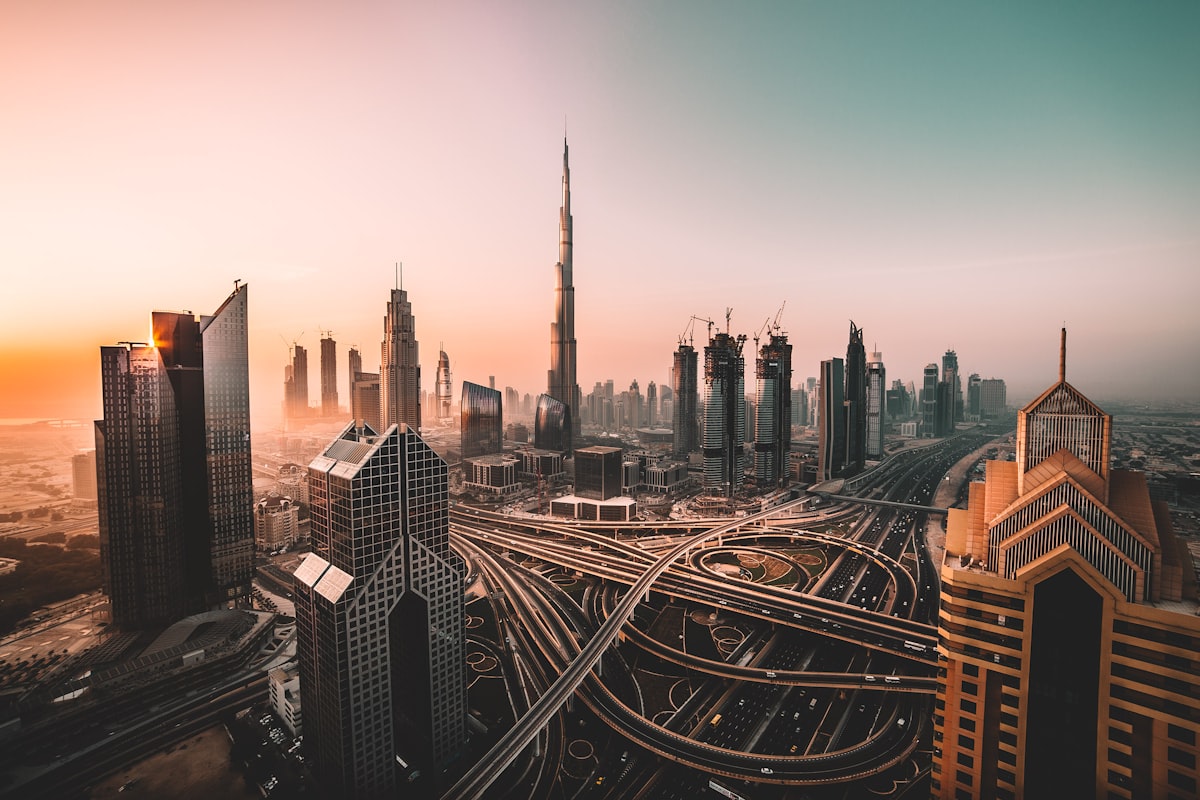
In This Guide
There is a version of Dubai that exists only in superlatives — the tallest, the biggest, the most extravagant — and that version is real, but it is not the whole story. Spend a little time here and the city reveals itself as something more layered: a place where you can have breakfast in a quiet courtyard café in the old town, lunch on a yacht gliding past the Marina, and dinner watching the sun melt behind the dunes, all in a single day. It is a city built for indulgence, yes, but also one that has quietly become one of the easiest, safest and most family-friendly destinations in the world.
This guide is written for the traveller who wants more than a checklist. Whether you are planning a romantic long weekend, a milestone family holiday, or a stopover that you suspect might turn into something longer, the aim here is to help you make good decisions — where to stay, when to go, how long to spend, what to book in advance and what to skip — so that the city works for you rather than overwhelming you. We have leaned into the experiences Maison Sarddinnah readers tend to love: the sky-high afternoon teas, the beach clubs, the desert glamping, the spas — while keeping a clear eye on what things actually cost and how to travel here with children in tow.
Why Visit Dubai in 2026?
Dubai's appeal in 2026 is the sheer range of what a single trip can hold. In the morning you can ski indoors on real snow; by afternoon you can be floating in the warm Arabian Gulf; by evening you can be 150 floors up, watching the city's lights ripple out toward the desert. Very few destinations compress this much variety into such a small, navigable footprint — and almost none do it with Dubai's standard of service and safety.
The practical case is just as strong. Dubai International remains one of the world's best-connected airports, putting the city within easy reach of Europe, Africa, the Indian subcontinent and Asia — which is exactly why it makes such a brilliant stopover or twin-centre base. English is spoken almost everywhere, the infrastructure is immaculate, taxis and the metro are cheap and spotless, and the city consistently ranks among the safest in the world for visitors, including solo travellers and families.
And then there is the luxury, which in Dubai is less about flash than about ease. A beach club day bed, a spa afternoon, a private desert dinner, a suite with a skyline view — these things are not only available but often more affordable than their equivalents in Europe or the Maldives, especially outside peak season. If your idea of a great holiday is being looked after beautifully without lifting a finger, few cities do it better.
Dubai is at its best when you resist the urge to do everything. Pick two or three signature experiences, build a day around each, and leave space in between for a long lunch or an unhurried afternoon by the pool. The city rewards depth over speed.
Best Time to Visit Dubai
If you take one piece of timing advice from this guide, make it this: Dubai is a winter destination. The months from November to March offer warm, golden days and cool evenings — perfect for the beach, the desert and long walks around the old town. This is also, predictably, when prices are highest and the city is busiest, so the trade-off is comfort versus cost.
The shoulder months of October and April are the sweet spot for many travellers: still warm enough for the beach, noticeably cheaper than peak, and with thinner crowds at the big attractions. From May through September the heat is genuine — daytime temperatures regularly climb past 40°C (104°F) — but this is also when hotel rates fall dramatically and the city's enormous, beautifully cooled indoor world (malls, aquariums, indoor ski slopes, water parks with chilled pools) really comes into its own. Summer in Dubai is not a write-off; it is simply a different, indoor-first kind of trip, and a smart one for budget-conscious families.
| Months | Typical high | Conditions | Best for |
|---|---|---|---|
| Nov – Mar | 24–30°C / 75–86°F | Warm days, cool evenings, peak season | Beach, desert, sightseeing |
| Oct & Apr | 32–36°C / 90–97°F | Hot but manageable, fewer crowds | Value + good weather |
| May – Sep | 38–45°C / 100–113°F | Very hot, humid; indoor-focused | Lowest prices, indoor fun |
If you're choosing between a peak-season trip and a shoulder-season one, remember that accommodation drives the difference far more than flights. The same suite can cost two to three times more in December than in late April — for nearly identical weather in the first half of the day.
How Many Days Do You Need?
Dubai is unusually flexible. You can get a genuine taste of it in 48 hours on a stopover, or settle in for a week without running out of things to do. For most first-time visitors, the answer lands at four to five days — enough to balance the headline attractions with the slower pleasures that make the city memorable.
- 2 days (stopover): Burj Khalifa at sunset, Dubai Mall and Fountain, one beach or pool afternoon, and a desert safari. Intense but doable.
- 3 days: The above plus Old Dubai (Al Fahidi, the souks, an abra ride across the Creek) and one standout meal or afternoon tea.
- 4–5 days: The sweet spot. Add a beach club day, a spa afternoon, a day trip to Abu Dhabi or a water park, and time to simply enjoy your hotel.
- 7+ days: Ideal for families or anyone wanting a true holiday rather than a tour — slow mornings, repeat beach days, and a side trip to the mountains of Ras Al Khaimah or the beaches of Fujairah.
Build at least one fully unscheduled half-day into any Dubai trip. Between the heat and the scale of the city, the difference between a relaxing holiday and an exhausting one is almost always pacing.
Where to Stay in Dubai
Where you base yourself shapes your entire trip, because Dubai is spread out and the neighbourhoods feel genuinely different. Below are the areas worth knowing, roughly from the beach to the city.
Jumeirah Beach & Madinat Jumeirah
This is the classic luxury-resort Dubai — landmark beachfront hotels, manicured lagoons, and the unmistakable silhouette of the Burj Al Arab. It is the most relaxing base for couples and families who want to spend serious time by the sea, with easy access to the Wild Wadi water park and the souk-style restaurants of Madinat Jumeirah. You pay for the postcard, but the calm is worth it.
Dubai Marina & JBR
If you want energy, a walkable promenade and the beach on your doorstep, the Marina and Jumeirah Beach Residence (JBR) are hard to beat. The Marina Walk and The Beach at JBR are lined with restaurants, beach clubs and shops, and you are well placed for yacht charters and the new Ain Dubai observation wheel. It is lively rather than serene — ideal for first-timers and younger travellers.
Downtown Dubai
Stay here and the Burj Khalifa, Dubai Mall and the Fountain are quite literally outside your door. It is the most central, most photogenic base, brilliant for sightseeing and dining, though it trades beach access for skyline drama. Families love the convenience; couples love the views.
Palm Jumeirah
The Palm is resort territory at its most indulgent — private beaches, enormous pools, the Atlantis water parks and some of the city's best spa and dining. It feels like a destination within the destination, which is exactly the point. Best for those who intend to stay put and be thoroughly looked after.
Old Dubai (Deira & Bur Dubai)
For a more textured, more affordable and more atmospheric stay, the older districts around the Creek offer heritage hotels, the gold and spice souks, and a glimpse of the trading city Dubai used to be. It is not the place for beach holidays, but it is the most characterful base and a favourite of curious, independent travellers.
Families travelling with young children should look hard at apartment-style hotels (often labelled "hotel apartments" in Dubai). A kitchenette, a washing machine and a separate bedroom transform a trip with toddlers — and the per-night rates are frequently lower than a comparable resort room.
Your Dubai Itinerary: 3 Days & 5 Days
These itineraries are built around the rhythm of the city: big outdoor experiences in the cooler morning and evening hours, with the hottest part of the day spent indoors, by the pool, or at a long lunch. Adjust freely — they are a skeleton, not a schedule.
The Classic 3-Day Itinerary
Day 1 — Modern Dubai. Start early at the Dubai Mall before the crowds, then go up the Burj Khalifa (book a sunset slot in advance — see the insight below). Spend the hot afternoon in the aquarium or by your hotel pool, and end the day at the Dubai Fountain show, which runs every half-hour after dusk.
Day 2 — Beach & Desert. A relaxed beach or beach-club morning at JBR or Jumeirah, an indulgent lunch, then an afternoon-into-evening desert safari with dinner under the stars. This is the day most people remember most.
Day 3 — Old Dubai. Cross the Creek by traditional abra, wander the gold and spice souks, and explore the restored lanes of the Al Fahidi historical district with a stop at a heritage café. Finish with afternoon tea or a sunset dinner back in the new city.
The Ideal 5-Day Itinerary
Days 1–3: as above.
Day 4 — Water & Play. A full day at a water park (Aquaventure on the Palm or Wild Wadi at Jumeirah), or — for families — a combination of the aquarium, an indoor theme park and an early dinner. Couples might swap this for a yacht charter and a beach-club afternoon.
Day 5 — Day Trip or Slow Day. Either a day trip to Abu Dhabi (the Sheikh Zayed Grand Mosque and Louvre Abu Dhabi are extraordinary), or a deliberately slow day — a spa morning, a long lunch, last-minute shopping, and a final sunset somewhere beautiful.
For the Burj Khalifa, the choice between daytime and sunset tickets matters. Sunset delivers spectacular city views but is the busiest, priciest window and sells out days ahead. Early morning is far quieter and often gives clearer air and a more relaxed experience — book whichever you choose well in advance.
Top Attractions in Dubai
These are the landmarks worth your time — and a note on how to do each one well rather than just tick it off.
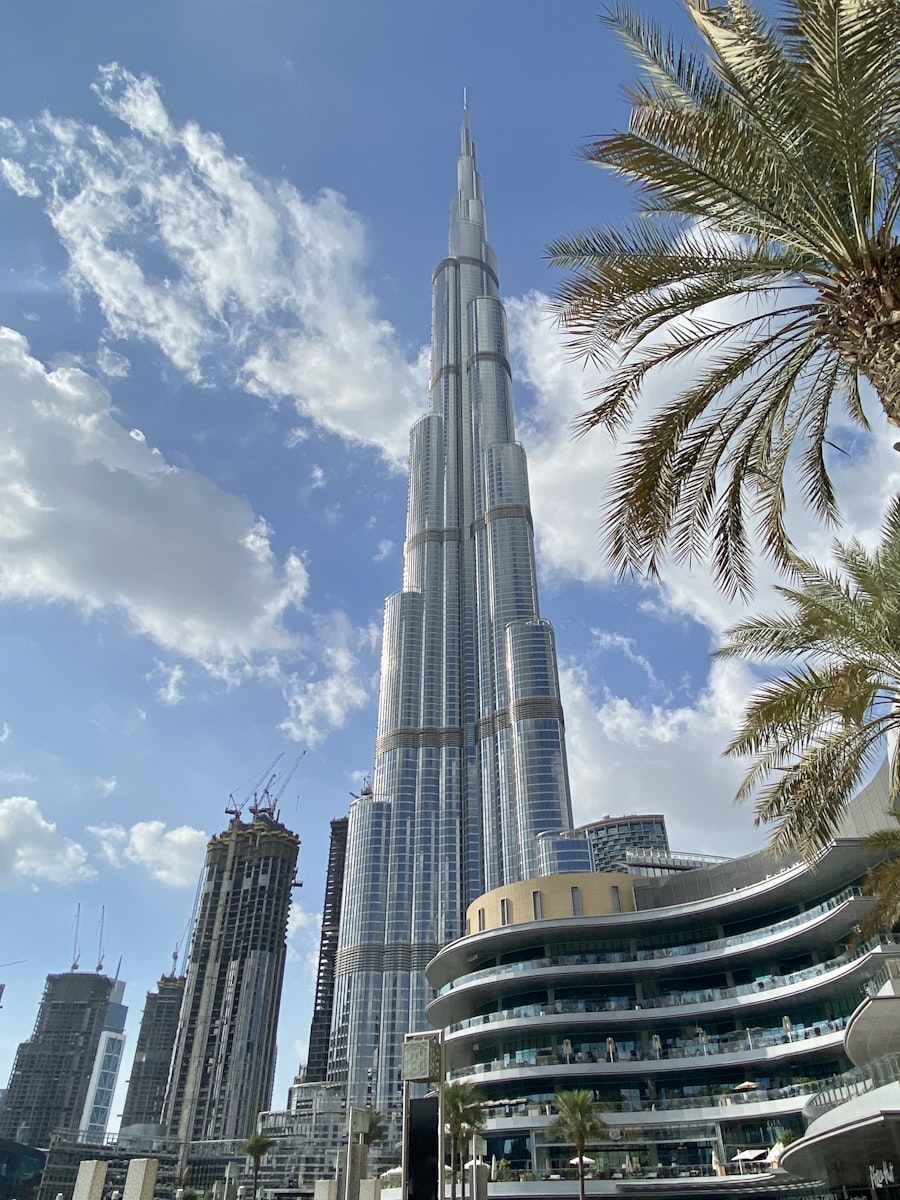
- Burj Khalifa — the world's tallest building. The "At the Top" observation decks (levels 124/125 and the premium 148) are the headline; book ahead and aim for sunrise or sunset.
- The Dubai Fountain — free, dazzling, and best viewed from the waterfront promenade or, for a splurge, a small boat on the lake.
- Dubai Mall & Aquarium — far more than shopping: a giant aquarium, an ice rink, and endless dining make it a genuine half-day attraction, especially in the heat.
- Palm Jumeirah & The View at The Palm — the man-made island is best appreciated from above, or from a beach club along its crescent.
- Old Dubai & the souks — the gold, spice and textile souks and the Al Fahidi quarter offer the city's most authentic hours.
- Ain Dubai — the giant observation wheel on Bluewaters Island, when operating, gives a fresh perspective on the coastline.
- Museum of the Future — as much a piece of architecture as a museum, and one of the most striking buildings in the world.
The Burj Al Arab — Dubai's most recognisable silhouette, best seen from the Jumeirah coast at sunset.
Luxury Experiences Worth Booking
This is where Dubai genuinely excels. Rather than simply listing attractions, here are the experiences that turn a good trip into a memorable one — the kind of curated indulgence Maison Sarddinnah readers tend to love.
- Sky-high afternoon tea — taken on a high floor with the skyline laid out below, this is one of Dubai's great rituals. Reserve a window table and go late afternoon to catch the light change.
- Beach clubs — a day bed, a pool, the Gulf in front of you and a steady stream of service. Many of the best are attached to resorts but open to non-guests with a minimum spend.
- Private yacht charter — a few hours out of the Marina, gliding past the Palm and the Atlantis, is far more affordable shared between a group than most people expect.
- Spa afternoons — Dubai's hotel spas are world-class; build in a half-day hammam or massage, ideally on your arrival day to reset after the flight.
- Fine dining — the city now holds a serious roster of celebrated and Michelin-recognised restaurants; book the headliners weeks ahead.
- Desert glamping — for a true splurge, swap the standard safari for an overnight in a private desert camp, with dinner, stargazing and a dawn dune walk.
- Observation decks at sunset — beyond the Burj Khalifa, "The View at The Palm" and Sky Views Dubai offer dramatic, less-crowded alternatives.
Family-Friendly Dubai
Dubai is, quietly, one of the best big-city destinations in the world for travelling with children. It is exceptionally safe, spotlessly clean, and built around enormous air-conditioned spaces that keep small humans happy when the sun is at its fiercest. Here is how to make the most of it with kids in tow.
Best attractions for children
- Dubai Aquarium & Underwater Zoo at the Dubai Mall — a guaranteed hit, and indoors.
- Water parks — Aquaventure at Atlantis (the Palm) and Wild Wadi (Jumeirah) are world-class, with chilled pools that make even summer bearable.
- KidZania & indoor theme parks — role-play cities and rides inside the malls, perfect for the hottest hours.
- The beach — gentle, warm, shallow water along the public beaches at JBR and Jumeirah.
- Desert safari — choose a family-oriented operator with gentler dune driving and camel rides rather than the high-adrenaline version.
Practical family notes
- Indoor activities during summer heat are your friend — plan beach and desert for early morning or evening, and malls, aquariums and indoor parks for midday.
- Family hotels with pools abound; look for kids' clubs, shaded pools and resorts on the Palm or Jumeirah Beach.
- Apartment hotels vs traditional hotels: apartments win for longer family stays thanks to kitchens and laundry; resorts win for shorter, full-service holidays.
- Stroller considerations: malls, the metro and major attractions are stroller- and pram-friendly with lifts everywhere; pavements outside the central districts can be patchier, so a compact stroller travels best.
- Kid-friendly malls like the Dubai Mall and Mall of the Emirates double as cool, safe, all-day entertainment hubs.
Taxis in Dubai are inexpensive and plentiful, but car seats are not standard — if you're travelling with a baby or toddler, bring a lightweight travel seat or pre-book a transfer service that provides one.
Dubai Food Guide
Dubai's dining scene mirrors its population: gloriously international, and excellent at every price point. You can eat your way around the world here — and you should — but make room for the regional flavours that give the city its character.
For an affordable, authentic start, head to the small Emirati, Lebanese, Iranian and South Asian restaurants of Old Dubai, where a feast of mezze, grilled meats and fresh bread costs a fraction of the glossier districts. Don't leave without trying machboos (spiced rice with meat or fish), fresh hummus and a plate of warm manakish, and finishing with a cardamom-scented Arabic coffee and dates.
At the other end, the city's fine-dining roster has become genuinely world-class, with a growing list of Michelin-recognised tables spanning Japanese, French, Indian and modern Emirati cuisine. Reserve these weeks ahead, especially for weekend evenings. Somewhere in the middle sit the buzzy waterfront restaurants of the Marina, JBR and Madinat Jumeirah — reliable, beautiful settings for a long, easy dinner.
One small note worth knowing: brunch in Dubai is an institution, typically a lavish weekend affair rather than a casual breakfast. If you only do one big meal out, a Saturday brunch at a landmark hotel is a quintessential Dubai experience.

From souk-side mezze to Michelin tables, Dubai's range is its greatest culinary asset.
Shopping in Dubai
Shopping is practically a civic pastime in Dubai, and it spans two very different worlds. On one side are the vast, climate-controlled megamalls — the Dubai Mall and Mall of the Emirates chief among them — where global luxury houses, mid-market favourites and entertainment all live under one roof. On the other are the traditional souks of Deira: the glittering Gold Souk, the fragrant Spice Souk, and the textile lanes across the Creek, where haggling is expected and half the pleasure.
If you time your visit to the Dubai Shopping Festival (typically running across the winter peak), you'll find genuine sales, events and discounts citywide. Year-round, remember that Dubai's tax-free positioning makes certain categories — gold, electronics, perfume — competitively priced, though it pays to know home prices before you commit.
In the souks, the first price is an opening bid, not a final one. Be friendly, be patient, and be willing to walk — the real price usually appears as you do.
The Dubai Desert Safari Guide
For many visitors, the desert is the emotional high point of a Dubai trip — the moment the city falls away and you remember where you actually are. A safari typically runs as a half-day, late-afternoon excursion: a 4x4 drive out to the dunes, dune "bashing" (a rollercoaster-like drive over the sand), sunset photos, then a camp with dinner, music and stargazing.
Choosing the right safari matters more than the price. The cheapest group tours can feel rushed and crowded; the best are smaller, calmer and more comfortable. Decide what you want first:
- Families: choose operators offering gentle dune driving, camel rides and an early return; skip the adrenaline-focused tours.
- Couples & photographers: look for premium or private safaris with fewer vehicles, better camps and golden-hour timing.
- A true splurge: an overnight desert glamping experience, with a private dinner under the stars and a dawn dune walk before the heat builds.
Whatever you book, go on an emptier stomach (the dune driving is bumpy), wear closed shoes, bring a light layer for the surprisingly cool desert evening, and confirm hotel pick-up is included.
Book your safari for your second or third evening, not your first. Arriving jet-lagged to a bumpy dune drive and a late dinner is a lot; you'll enjoy it far more once the time zone has settled.
Getting Around Dubai
Despite its size, Dubai is refreshingly easy to navigate. The driverless Metro is clean, cheap and air-conditioned, running along two main lines that connect the airport, Downtown, the Marina and the malls — buy a rechargeable Nol card and you're set. Taxis are inexpensive, metered, plentiful and safe, and ride-hailing apps work seamlessly.
For flexibility — especially with a family, or if you plan day trips to Abu Dhabi, the mountains or the east-coast beaches — a rental car is well worth considering. Roads are excellent and well-signed, fuel is cheap, and parking is plentiful, though city traffic peaks at rush hour and an international driving permit is recommended. Within a single neighbourhood, walking is pleasant in the cooler months and along promenades like the Marina Walk and JBR.
Pick up an eSIM before you land so you have data the moment you step off the plane — for maps, ride-hailing and bookings. It's far cheaper than roaming and saves the airport-SIM queue.
Budget Expectations
One of the most common misconceptions about Dubai is that it is only for the wealthy. It can be extraordinarily luxurious, but it is also entirely possible to visit on a moderate budget — the city spans every price point. The single biggest variable is accommodation, which will usually be your largest expense and which swings dramatically between peak and off-peak season.
| Travel style | Daily budget (USD) | What it looks like |
|---|---|---|
| Budget | $75 – $150 | 3-star or apartment stays, metro & taxis, casual dining, free/low-cost sights |
| Mid-range | $200 – $400 | 4-star hotels, a mix of dining, paid attractions, the odd splurge |
| Luxury | $500 – $1,500+ | 5-star resorts, beach clubs, fine dining, private tours and spa days |
A few cost notes worth planning around: alcohol is relatively expensive (it's served in licensed hotels and venues); attractions like the Burj Khalifa and water parks add up quickly for families, so look for combination tickets; and prices across the board rise during the winter peak and around major events. Many of Dubai's best experiences, however — the Fountain show, the beaches, the souks, walking the Marina — cost nothing at all.
Travel insurance is inexpensive relative to the cost of a Dubai trip and worth having for medical cover and trip protection — sort it before you go, not at the airport.
Safety & Local Etiquette
Dubai is consistently ranked among the safest cities in the world for visitors, with very low crime, excellent healthcare and a strong sense of public order. Solo travellers, women and families generally feel comfortable here, day and night. That safety comes alongside a conservative legal and cultural framework, and a little awareness goes a long way.
- Dress is relaxed at beaches, pools and resorts (swimwear is fine in those settings), but modest in public areas, malls and especially religious sites — cover shoulders and knees when away from the beach.
- Public behaviour: keep public displays of affection discreet, and avoid rude gestures or public arguments, which are taken more seriously than in many Western cities.
- Alcohol is legal for visitors in licensed venues; never drink in public or drive after drinking — the limit is effectively zero.
- Ramadan: if you visit during the holy month, avoid eating, drinking or smoking in public during daylight hours out of respect; many restaurants adjust their hours, and the evenings are a wonderful, festive time.
- Photography: ask before photographing people, and avoid photographing government or military buildings.
None of this should feel intimidating — the rules are straightforward and the city is welcoming. A respectful, low-key approach is all that's required, and it's repaid with some of the warmest hospitality you'll find anywhere.
Pack Smart for Dubai
→ Universal Travel Adapter (UAE uses UK-style Type G plugs) — Shop on Amazon
→ High-SPF, Sweat-Resistant Sunscreen — Shop on Amazon
→ Packable Sun Hat & Modest Light Layers — Shop on Amazon
→ Insulated Reusable Water Bottle — Shop on Amazon
This post contains Amazon affiliate links. If you purchase through our links we may earn a small commission at no extra cost to you. We only recommend products we genuinely rate.
Dubai Travel FAQ
Is Dubai worth visiting in 2026?
Yes — few cities pack as much variety into such a compact, easy and safe footprint. Beaches, desert, world-class dining, shopping and family attractions all sit within a short drive of each other, and the standard of service is exceptional.
How many days do you need in Dubai?
Four to five days is the sweet spot for first-timers, balancing the headline sights with beach and desert time. Two to three days works for a stopover; a week is ideal for a relaxed family holiday.
When is the best time to visit Dubai?
November to March for the best weather (and highest prices). October and April offer warm weather with better value, while May to September is hot but the cheapest — and great for an indoor-focused or family trip.
Is Dubai expensive?
It can be, but it doesn't have to be. Daily costs range from around $75–150 for budget travel to $500+ for luxury. Accommodation is the biggest variable, and many of the best experiences — beaches, the Fountain, the souks — are free.
Is Dubai good for families?
Excellent. It's very safe and clean, with water parks, aquariums, indoor theme parks, gentle beaches and family-friendly resorts. Air-conditioned attractions make it workable even in summer.
Is Dubai safe for tourists and solo female travellers?
Dubai is among the safest cities in the world, with very low crime. Solo female travellers generally feel comfortable day and night; standard precautions and modest dress in public areas are all that's needed.
What should I book in advance?
Your hotel (especially in peak season), Burj Khalifa tickets, a desert safari, any fine-dining reservations, and airport transfers or a rental car. Popular experiences sell out days ahead in winter.
What should I wear in Dubai?
Swimwear is fine at beaches, pools and resorts. In public areas, malls and religious sites, dress modestly — cover shoulders and knees. Lightweight, breathable fabrics are best for the climate.
Do I need a visa for Dubai?
Many nationalities receive a visa on arrival or visa-free entry for short stays, but rules vary by passport. Always check the current requirements for your country before you travel.
What currency is used and should I tip?
The UAE dirham (AED). Cards are accepted almost everywhere; carry some cash for souks and taxis. Tipping isn't obligatory but is appreciated — rounding up taxi fares and 10–15% in restaurants is typical.
Is alcohol available in Dubai?
Yes, for visitors in licensed venues such as hotel bars and restaurants. It's relatively expensive, and drinking in public or driving after drinking is strictly prohibited.
How do I get from Dubai airport to the city?
The Metro connects the airport to Downtown and the Marina cheaply, and taxis are inexpensive and plentiful. For families or late arrivals, a pre-booked private transfer is the most relaxed option.
Can you visit Dubai during Ramadan?
Absolutely, and it can be a special time to visit. Be respectful by not eating, drinking or smoking in public during daylight hours; restaurants adjust hours, and the evening iftar celebrations are wonderful.
Is one day enough for a Dubai stopover?
One day lets you sample the city — typically the Burj Khalifa, Dubai Mall and Fountain, or a quick desert safari. Two days is far more comfortable and lets you add a beach afternoon or Old Dubai.
Plan Your Dubai Trip
Everything you need — curated and ready to book
This post contains affiliate links. We earn a small commission at no extra cost to you.